
Artificial intelligence has evolved from science fiction to a reality that is shaping our daily lives. From virtual customer service to personalized playlists, AI is changing how we interact with the world. In education, it enables AI in the classroom with intelligent systems that adapt to each student’s needs. Universities are now exploring how AI can transform teaching, research, and administration. As the demand grows, building AI literacy is becoming essential for students, educators, and professionals.
This article explains artificial intelligence’s definition, history, types, applications, and future prospects in the USA and beyond.
What is Artificial Intelligence?
Artificial intelligence refers to software or devices that can think, learn, and solve problems like humans. These systems perform tasks such as decision-making, answering questions, and improving themselves over time.
You see AI in action through chatbots, Google Search, and GPS navigation. In education, AI in the classroom supports teachers with grading, lesson planning, and individualized instruction. Tools like virtual assistants and AI-powered platforms help professors work more effectively. Unlike magic, AI works by learning from massive amounts of data and making logical decisions.
A Brief History of Artificial Intelligence
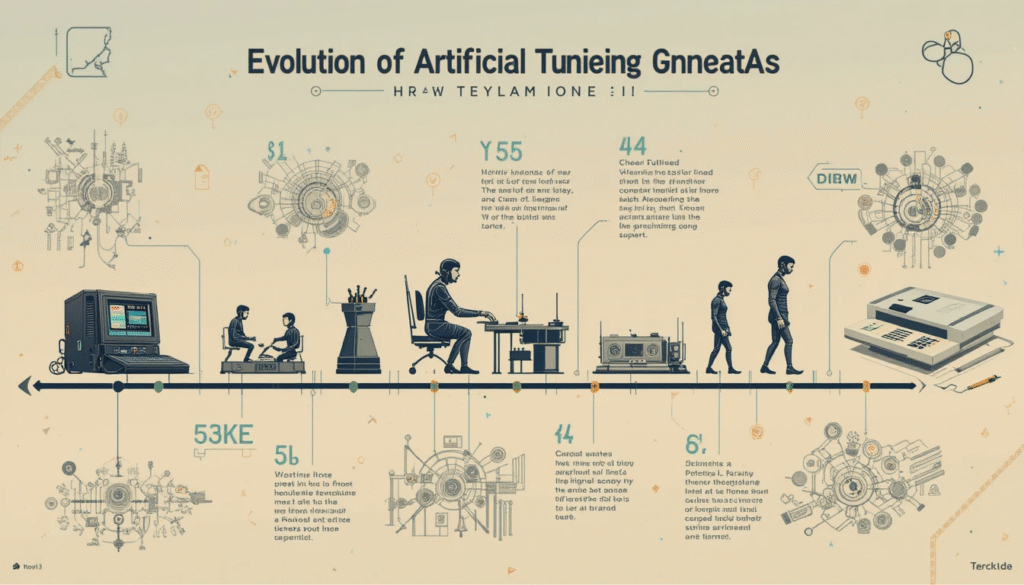
The concept of AI began in the 1950s, when Alan Turing famously asked, “Can machines think?” Early programs could play chess and solve math problems, but progress was slow due to costly and inefficient computers.
In the 2000s, American companies advanced AI with machine learning in business, healthcare, and education. Faster computers and the internet provided fuel for innovation. In recent years, generative AI has gained fame by producing art, code, and even human-like text.
How Artificial Intelligence Works: Core Techniques
AI relies on algorithms and models that analyze data, identify patterns, and predict outcomes. For example, Netflix recommends shows by studying your viewing habits—a process called data-driven learning.
At its core, AI uses methods like deep learning, neural networks, and natural language processing. These allow it to understand speech, text, and images much like humans do. While simple AI includes chatbots, advanced concepts like Artificial General Intelligence (AGI)—machines that think like humans—are still under development.
Types of Artificial Intelligence
Reactive Machines
These are basic AI systems like IBM’s Deep Blue, which only respond to present events without memory.
Limited Memory AI
Used in self-driving cars and voice assistants like Siri, this AI learns from past data to improve decisions.
Theory of Mind AI
Still in research, this type of AI could understand human emotions and thoughts, enabling deeper interaction.
Self-Aware AI
A futuristic form of AI that might one day develop consciousness, but it doesn’t exist yet.
In education, Limited Memory AI powers chatbots in universities and virtual assistants that support teaching and learning.
Key Applications of Artificial Intelligence in Everyday Life
Artificial intelligence is everywhere. It helps doctors diagnose illnesses, detects financial fraud, and even recommends shopping products. In education, AI teaching tools are making classrooms smarter.
| Area | AI Example |
|---|---|
| Education | Learning analytics and AI content creation |
| Medical Care | Detecting cancer and monitoring patients |
| Business | Predicting customer behavior |
| Transportation | Route planning and self-driving vehicles |
| Media | Personalized ads and entertainment content |
This shows how AI use cases in universities, healthcare, and industries are expanding rapidly.
Artificial Intelligence in the Workplace and Business

AI is transforming how Americans work. It automates reports, emails, and manufacturing processes, reducing errors and saving time. Many companies rely on AI for smarter decision-making and improved efficiency.
In education, universities are introducing AI readiness assessments, AI-driven student support, and collaboration tools to prepare graduates for a workforce that values AI knowledge.
Benefits and Risks of Artificial Intelligence
Artificial intelligence brings both opportunities and challenges. It makes processes faster, improves safety, and supports generative tools for academic writing. However, risks include misuse, bias, and job disruption.
| Benefits | Risks |
|---|---|
| Speed & Accuracy | Bias in decision-making |
| Cost-Saving | Job losses in certain industries |
| 24/7 Availability | Privacy and data protection concerns |
Responsible use of AI ensures that society benefits while avoiding harmful outcomes.
AI Ethics and Challenges
AI doesn’t always make fair decisions. Biased data can lead to unfair treatment based on race, gender, or age. This is why ethical AI design in academia and business is so important.
In the USA, universities and companies are building AI policies for data privacy, fairness, and transparency. The government is also drafting state and federal AI legislation to regulate its safe adoption.
The Future of Artificial Intelligence
The future of AI is filled with possibilities. Experts predict smarter tutoring systems, AI professors, and campus-wide AI infrastructure in universities. Businesses expect more automation and innovation.
However, realizing this future requires ethical planning, strong policies, and addressing implementation challenges. The USA is leading global discussions on shaping this responsible AI-driven future.
How to Learn and Build AI Skills
Anyone can start learning AI today. Platforms like Coursera, edX, and Google AI offer free and paid beginner courses. A student guide to AI often includes learning Python, TensorFlow, and statistics.
Educators benefit from faculty AI training and following the AI literacy framework. Students can join AI competitions, hands-on projects, and university governance groups to gain real-world experience and influence AI’s ethical adoption.

Frequently Asked Questions (FAQs) about Artificial Intelligence
What is Artificial Intelligence in simple words?
Artificial Intelligence (AI) is when machines or software can think, learn, and solve problems like humans. It powers tools such as chatbots, GPS, and smart assistants that help in daily life.
What are the main types of Artificial Intelligence?
AI is generally divided into four types: Reactive Machines, Limited Memory AI, Theory of Mind AI, and Self-Aware AI. Today, most applications use Limited Memory AI, such as virtual assistants and self-driving cars.
How is Artificial Intelligence used in education?
AI in the classroom helps with grading, personalized lessons, virtual assistants, and learning analytics. Universities in the USA use AI for student support, smart tutoring systems, and improving campus operations.
What are the benefits of Artificial Intelligence?
The benefits of AI include faster decisions, accuracy, cost savings, and 24/7 availability. It improves healthcare, enhances education, and supports businesses by predicting customer behavior.
What are the risks of Artificial Intelligence?
AI can sometimes make biased decisions, cause job losses in certain industries, or raise privacy and data protection concerns. Responsible use and strong policies help reduce these risks.
How does Artificial Intelligence affect jobs?
Artificial Intelligence automates repetitive tasks and increases efficiency, but it can also replace some jobs. At the same time, it creates new opportunities in AI development, data analysis, and AI policy-making.
What is the future of Artificial Intelligence?
The future of AI includes AI-powered professors, smarter tutoring systems, and advanced automation. Experts believe AI will continue to grow in business, healthcare, and education while requiring careful ethical planning.
How can I start learning Artificial Intelligence?
You can learn AI through online courses on platforms like Coursera, edX, and Google AI. Beginners should focus on Python, TensorFlow, statistics, and hands-on projects to build strong AI skills.