
From smart assistants in our kitchens to AI-powered tools in big companies, artificial intelligence is helping people do things faster and smarter. But with all these benefits, there are also some real concerns. That’s why it’s important to know both the artificial intelligence technology advantages and disadvantages.
It also raises questions about privacy, fairness, and job security. Whether you’re into machine learning, curious about how it all works, or wondering how AI fits into daily life, this guide will help you understand the full picture.
What Is Artificial Intelligence?
So, what is artificial intelligence? In simple terms, it’s when machines are built to think, learn, and solve problems like humans do. Using tools like machine learning, deep learning, and natural language processing, AI can learn from data, make decisions, and even talk with users like a human would.
Thanks to AI model training, we now have self-driving cars, voice assistants like Siri or Alexa, and search engines that know what you need before you finish typing. These are all examples of AI in daily life, and they’re becoming more common across the USA.
Top Advantages of Artificial Intelligence Technology
One major advantage of artificial intelligence is how it helps people work better. AI reduces mistakes, speeds up jobs, and improves results. Many companies use AI-powered tools for repetitive task automation, giving teams more time for creative work.
AI also provides predictive analytics, helping businesses plan for the future. With smarter AI decision-making, industries like healthcare, marketing, and transport are seeing better outcomes. This is exactly how AI improves productivity and helps companies grow in cost-effective ways.
Disadvantages and Limitations of Artificial Intelligence
But let’s be real—there are some disadvantages of artificial intelligence technology. Buying the right systems, training staff, and maintaining them takes time and money. For small businesses, this can be a major hurdle.
Then there’s the creative limitation of AI—it can’t truly feel, imagine, or create like humans can. Plus, problems with AI decisions can come from data bias, leading to unfair or wrong results. And yes, many worry: does AI replace human jobs? Sometimes, yes.
Real-World Use Cases of Artificial Intelligence
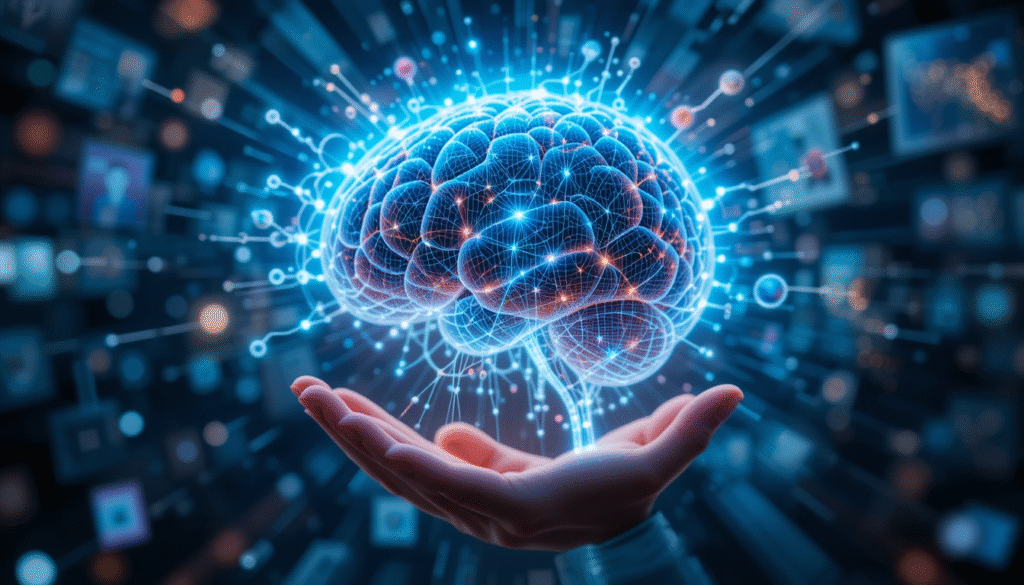
There are many powerful AI applications in different industries. In healthcare, AI helps doctors detect diseases early and assists in surgeries. In finance, AI tools stop fraud by spotting strange patterns—fraud detection is now faster and more accurate.
Retail stores use customer service automation and personalized product suggestions powered by AI. Logistics companies use AI to plan faster routes and track deliveries. These examples show how strong AI adoption is across industries in the USA.
The Role of AI Technology in Business and Workplace Automation
Today, artificial intelligence plays a big role in business automation. It handles simple tasks like sorting emails, checking documents, and helping HR departments screen job applications—boosting workflow efficiency.
The big question is, AI vs human intelligence—who wins at work? The answer is both. AI handles boring tasks, while humans manage creative thinking. This shows the power of human-AI collaboration, and why many leaders ask, why use AI in business?
Ethical and Social Impacts of Artificial Intelligence
With all this power, there are ethical concerns of AI. One worry is privacy—AI systems collect huge amounts of data, and people fear AI data privacy risks like unauthorized access or misuse.
Another big issue is AI bias. The ethics of artificial intelligence demand action from experts, lawmakers, and companies to ensure systems are fair and trustworthy.
How to Implement Artificial Intelligence in Your Organization
If you want to bring AI technology into your company, start with a clear plan. This AI implementation guide should include your goals, budget, and required tools. Pick systems that fit your needs and test them before full use.
Learn how to integrate AI by checking your data, training staff, and updating systems. A slow, careful approach works best—start small, track results, and then scale up.
Future of Artificial Intelligence: Trends and Predictions

The future of AI technology looks exciting. We’re moving toward emotional AI that understands feelings, reacts to tone, and writes like humans. This will make AI more personal and helpful.
Expect AI to transform education, art, and law. The U.S. leads much of this innovation, and interest is growing worldwide. Staying updated will help you be ready for these changes.
Challenges in AI Development and Regulation
Big growth comes with AI development challenges. One problem is that laws and regulations haven’t kept up, causing confusion in the USA.
Another concern is safety—hackers can attack AI systems, and bad actors can misuse them. This means AI-powered insights can be risky without proper security. We need strong rules, protections, and skilled teams to manage AI safely.
Conclusion: Balanced View on Artificial Intelligence Technology
The advantages and disadvantages of artificial intelligence are both real and important. AI helps us work better, think smarter, and live easier—but only when used responsibly.
By understanding the risks and rewards, we can make the most of AI. In the end, AI’s future isn’t just about machines—it’s about how we use it and shape it for good
📊 AI Technology: Advantages vs Disadvantages
| Advantages | Disadvantages |
|---|---|
| Increases speed and accuracy | High cost of AI implementation |
| Reduces human error | Creative limitations of AI |
| Works 24/7 without breaks | Risk of data bias |
FAQs on Artificial Intelligence Technology Advantages and Disadvantages
What are the advantages and disadvantages of artificial intelligence?
AI boosts speed, accuracy, and automation but can cause job loss, bias, and high costs.
What are the benefits of artificial intelligence?
AI improves efficiency, decision-making, and productivity in both daily life and business.
Which of these is an advantage of AI?
One key benefit is its ability to work 24/7 without breaks or human error.
Who is the father of AI?
John McCarthy is widely known as the “father of AI” for coining the term in 1956.
Who created AI first?
The first AI programs appeared in the 1950s, with Allen Newell and Herbert A. Simon creating the Logic Theorist.
Meta description:
Discover the key advantages and disadvantages of artificial intelligence technology in daily life, business, and future innovation.