Will AI Create New Opportunities or Replace Jobs?
Will Artificial Intelligence (AI) create new opportunities or replace jobs? This question shapes the future of work in today’s world. From self-driving cars to digital assistants, AI is no longer science fiction—it is reality influencing industries, careers, and daily life.
The debate continues: will AI take away human jobs, or will it open doors to new opportunities? Let’s explore both sides.
💼 What is Artificial Intelligence?
Artificial Intelligence means machines that can think, learn, and solve problems like humans. Unlike traditional programs, AI systems improve by studying data and making decisions with advanced algorithms.
This makes AI one of the most powerful tools in modern technology. It’s not just replacing tasks—it’s reshaping the way we work.
🌍 AI in Daily Life
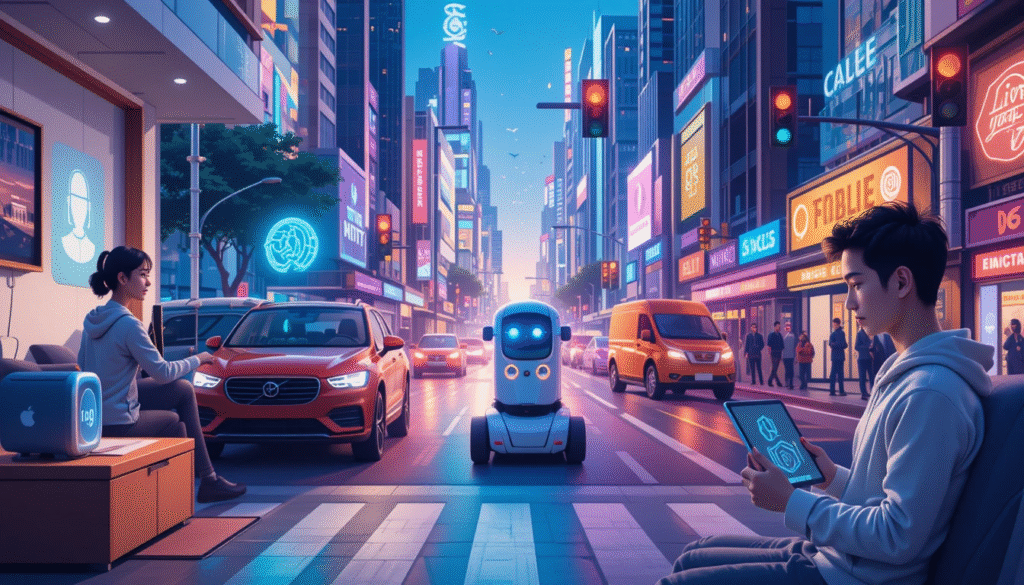
- Chatbots answering customer questions
- Voice assistants like Alexa or Google Assistant
- Face recognition in smartphones
- Self-driving vehicles on the road
- AI medical scans detecting diseases
These examples show how AI technology is everywhere, raising the question: will it create opportunities or replace jobs?
♠️ Jobs at Risk of AI Automation
One fear is that AI will replace many human workers. Machines are faster, more accurate, and never need rest, which makes them attractive for companies.
🔎 Roles Most at Risk
- Data entry clerks
- Manufacturing workers
- Retail cashiers
- Telemarketers
- Drivers
For these fields, AI automation could mean fewer opportunities for humans.
📈 New Opportunities Created by AI
History proves that every new invention replaces some jobs but also creates new ones. The same is true for AI systems.
🌟 Careers Emerging with AI
- Data scientists and AI engineers
- Cybersecurity specialists
- Robotics technicians
- Digital creators using AI tools
- Healthcare experts using AI diagnostics
Instead of asking only if AI will replace jobs, it’s better to see how it creates new opportunities for the future workforce.
🧠 Human-AI Collaboration
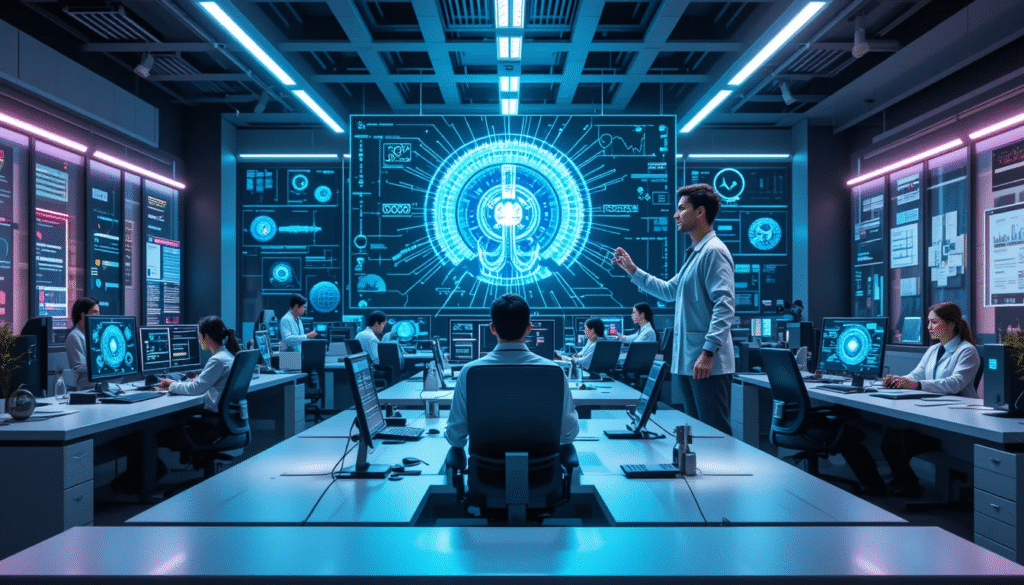
AI should not be seen as a competitor but as a partner. In many industries, humans and AI work together.
- Teachers personalize lessons with AI tools.
- Doctors use AI scans for accurate results.
- Farmers monitor crops with AI-powered drones.
- Marketers analyze customers using AI insights.
Here, AI improves results while humans bring creativity, empathy, and decision-making.
📚 Preparing for the Future
The best way to handle changes is by preparing for the AI-driven job market.
✅ How to Stay Ready
- Learn digital skills like coding and data analysis
- Keep upgrading knowledge through online platforms
- Focus on human strengths—creativity, empathy, leadership
- Stay flexible for new opportunities
With the right skills, workers can grow instead of fearing job loss.
🔄 Lessons from the Past
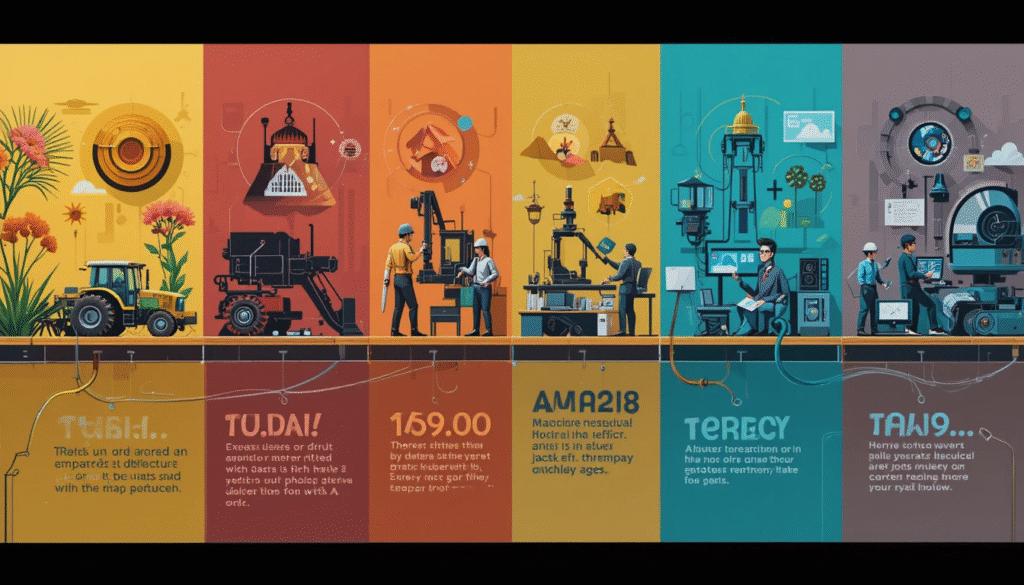
The fear of technology replacing jobs is nothing new. Steam engines, electricity, computers, and the internet all changed industries.
Yes, jobs disappeared, but new careers always came. The same pattern will continue with Artificial Intelligence.

🔁 Case Study: AI in Customer Service
Customer service is a clear example of how AI reshapes roles.
- Chatbots handle simple queries.
- Humans solve complex or emotional problems.
Instead of removing jobs, AI support tools make customer service faster and more effective.
🤔 Final Answer
So, will AI create new opportunities or replace jobs? The reality is both.
- AI will replace repetitive and low-skill tasks.
- AI will create new careers in tech, healthcare, and creativity.
- Most jobs will transform into hybrid roles with human-AI collaboration.
The future is not humans versus AI—it’s humans working with AI.
🧭 Conclusion
Artificial Intelligence is here to stay. It can remove some jobs, but it also opens many new opportunities. The key is preparation: by learning new skills and focusing on what makes us human, anyone can thrive in the age of AI.
🌟 Final Thought: Instead of fearing job loss, we should see AI as a tool for growth and opportunity.
📌 FAQs
Q1. Will Artificial Intelligence replace all human jobs?
No, Artificial Intelligence will not replace all jobs. It mainly affects repetitive and low-skill tasks. Most careers will evolve into new roles where humans and AI work together.
Q2. What jobs are most at risk from Artificial Intelligence?
Jobs such as data entry, cashier work, driving, and telemarketing are most at risk. These roles involve repetitive tasks that AI can perform faster and more accurately.
Q3. How is Artificial Intelligence creating new job opportunities?
AI is creating demand for data scientists, AI engineers, cybersecurity experts, robotics technicians, and digital content creators. It opens opportunities in industries like healthcare, education, and marketing.
Q4. How can workers prepare for an AI-powered future?
Workers can prepare by learning digital skills, focusing on creativity and problem-solving, and staying flexible with new technologies. Lifelong learning is essential in the AI era.
Q5. Has history shown technology always replaces jobs?
Yes, every major invention—from the steam engine to computers—replaced some jobs but created many new ones. Artificial Intelligence will follow the same historical pattern.